Piracetam
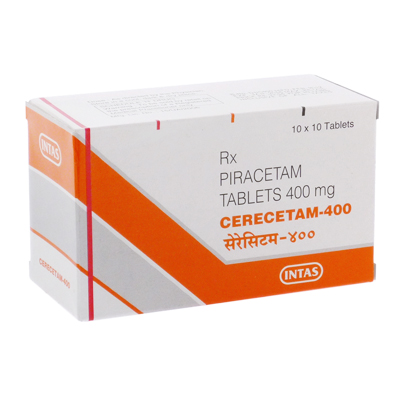
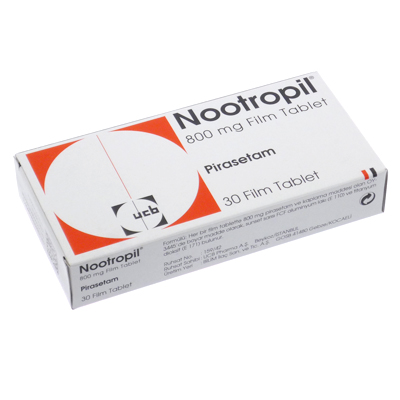
Piracetam is derived from gamma-aminobutyric acid (GABA), an amino acid and neurotransmitter, and developed in the 1960s as a mode of prevention and treatment for a variety of age-related cognitive problems, such as seizures, dementia, and learning disabilities. It is approved in Europe as a prescribed treatment for seizures (renamed Nootropil) and works like other ‘smart drugs’ by stimulating AMPA receptors in the brain to improve signal transmissions between neurons, which helps with nerve system functioning and cognition. It has also been observed in a 2012 study to potentially improve symptoms of Parkinson’s disease.
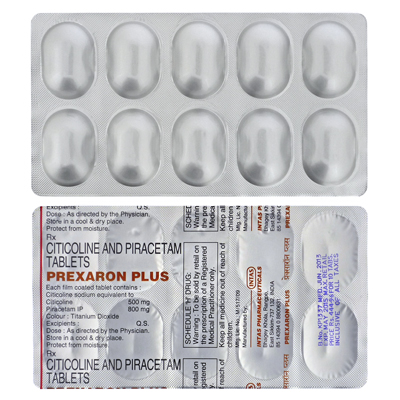
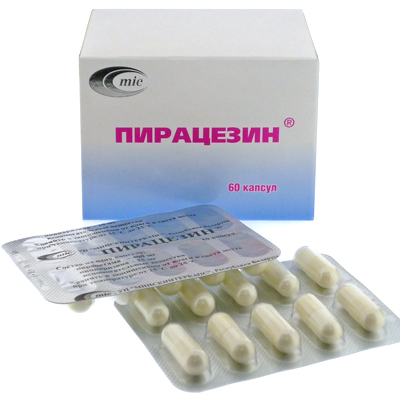
Piracetam is sold in 800-mg and 1,200-mg tablets, with a recommended oral dosage between 2.4-grams to 4.8-grams to be taken daily to improve cognition-related issues.
The dosage is more variable when treating physical problems.
Typically administered dosage for physical ailments in adults:
- After CABG surgery (to increase blood flow to heart): 12-grams daily (for 6 weeks).
- Seizure disorder (epilepsy): 9.6-grams daily (for 18 months).
- Movement disorder caused by antipsychotic drugs (tardive dyskinesia): 2.4-grams twice daily (for 4 weeks).
- Vertigo: 800-milligrams three times daily (for 1-8 weeks).
Administered dosage for children:
- Breath-holding attacks: 40-milligrams per kilogram daily (for 2-3 months) in children aged 6-36 months.
- Dyslexia: 3.3-grams daily (for ≥12 weeks) in children aged 7-14 years.
Common side effects may include: sleep disruption, headache, dizziness, anxiety, diarrhea, weight gain, and dry mouth. Confusion, irritability, and sleep disorder can be further side effects as a result of mixing with thyroid hormone treatments (T3 + T4).
Avoid mixing piracetam with alcohol, as it may increase the rate of intoxication.
Avoid piracetam use during pregnancy or while breastfeeding.