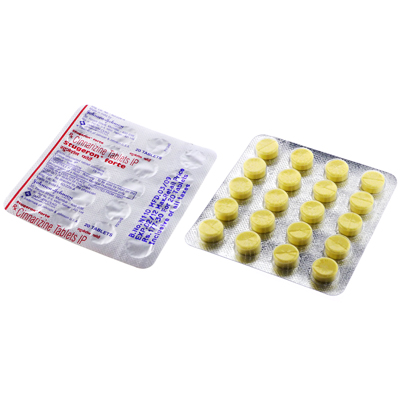
Cinnarizine
Cinnarizine is an antihistamine that helps stop nausea and/or vomiting. It has noticeable sedative properties in contrast to other antihistamines and can make you feel drowsy or sleepy. It is often used to treat travel sickness and dizziness caused by inner ear problems, such as tinnitus, vertigo, and Meniere's disease. It works by preventing H1 histamine receptors from receiving nerve signals sent by the part of your ear involved in balance, which then allows it to reduce or block the effects of histamine in your brain that cause sensations like vertigo, nausea, and the vomit reflex.
Cinnarizine is sold in 15-mg tablets and the dosage will depend on the reasons for taking it. It is recommended that you take your cinnarizine tablets after a meal so that it will be less likely to upset your stomach. The tablets can be sucked, chewed, or swallowed whole with a glass of water.
Administered dosage in adults and children aged 12 years and older:
- Travel sickness: 2 tablets taken 2 hours before travel, then 1 every 8 hours if needed.
- Dizziness and sickness (caused by inner ear problems): 2 tablets to be taken 3 times a day.
Administered dosage in children aged 5-11:
1- Travel sickness: 1 tablet taken 2 hours before travel, then half a tablet every 8 hours if needed.
- Dizziness and sickness (caused by inner ear problems): 1 tablet to be taken 3 times a day.
Common side effects of cinnarizine include feeling sleepy, weight gain, or indigestion.
Avoid drinking alcohol while taking cinnarizine as it can increase the chance of side effects.
Cinnarizine is not usually recommended for pregnant or breastfeeding women.
Some medicines can interact with cinnarizine and may increase the chance of side effects. Consult a doctor if you are taking any medicine that: makes you drowsy, gives your dry mouth, or makes it difficult for you to urinate.